
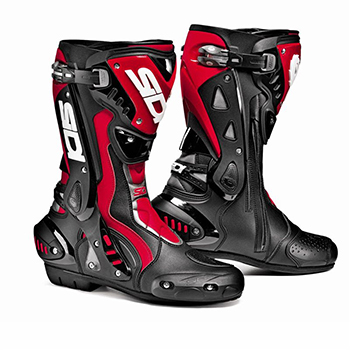
Beyond Sneakers: Why Purpose-Built Motorcycle Boots Are Non-Negotiable
It is a common sight in urban traffic: riders geared up in quality helmets and armored jackets, yet wearing everyday sneakers or work boots on their feet. While regular footwear might feel comfortable off the bike, casual shoes offer virtually zero defense during a crash. Your feet and ankles are the closest contact points to hot exhausts, heavy machinery, and the road surface, making dedicated motorcycle boots an essential safety barrier.
The Anatomy of Foot and Ankle Injuries
During a low-side, tip-over, or slide, feet are disproportionately exposed to severe trauma. Ordinary sneakers are designed for walking, not absorbing high-velocity kinetic impacts:
- Crush Forces: A motorcycle sliding on its side can easily weigh over 200 kilograms. If your foot gets trapped beneath the engine or frame, a soft shoe provides zero crush resistance against fractured metatarsals.
- Torsional Twisting: Sudden rotational forces when a boot catches on asphalt can hyperextend or snap the ankle joint, tearing delicate tendons and ligaments.
- Rapid Abrasion: Standard canvas, mesh, or soft suede shreds in under a second when dragged across asphalt at 50 km/h, exposing skin and muscle to deep road rash and joint-compromising friction.
Engineering Behind Real Riding Boots
Purpose-built motorcycle footwear (certified under CE EN 13634) integrates structural safeguards you cannot see from the outside:
- Torsion and Ankle Braces: High-grade touring and sport boots incorporate biomechanical pivots and medial/lateral ankle cups that permit forward and backward flexing for shifting gears, while locking out unnatural side-to-side hyper-rotation.
- Reinforced Soles and Steel Shanks: The footbed contains a composite or steel shank running through the core, preventing the sole from folding in half when pinned under the weight of a motorcycle.
- Impact Armor at Contact Zones: Dense thermoformed polymers shield vulnerable bony protrusions like the malleolus (the ankle bone bump), toe caps, and heel counters.
- Oil-Resistant, High-Traction Outsoles: Road grime and oil slicks at intersections turn slippery when wet. Specialized rubber compounds ensure your foot plants securely when coming to a halt.
What to Look for When Choosing Boots
- Riding Style Match: Sport riders benefit from full-height hinged armor, adventure riders require stiff shin plates and water barriers, while urban commuters can opt for reinforced riding shoes that disguise crush-resistant shanks under casual styling.
- Proper Closure Systems: Look for robust ratcheting buckles, internal speed-laces, or zipper-and-Velcro combinations that prevent the shoe from being ripped clean off your foot during a slide.
- CE Certification Levels: Check the internal label for the four EN 13634 test ratings covering height, abrasion, cut resistance, and transverse rigidity.
Losing ankle mobility from a preventable injury can keep you off two wheels for months or permanently alter your walking gait. Swapping sneakers for proper riding boots ensures your feet have the structural support needed to walk away from an unexpected spill.